
No products in the cart.
USE CODE: SPINNERBELT

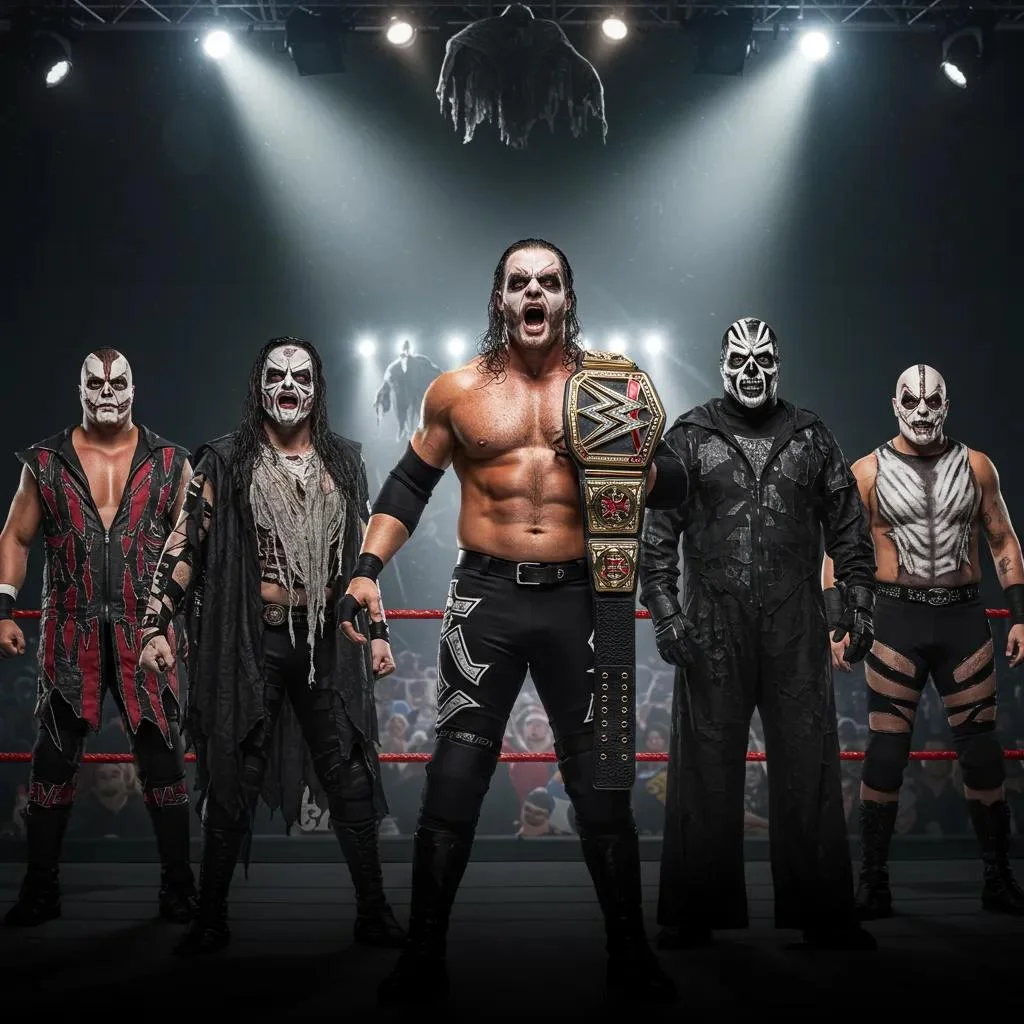
The Spookiest Wrestling Legends of All Time and the Haunted Belts They’d Claim
The most unforgettable Spookiest Wrestling Legends turn spectacle into story by combining chilling visuals, evocative entrances, and mythic title runs that feel genuinely haunted. This article reveals who those scariest wrestling characters are, why their horror wrestling gimmick elements worked, and which wrestling belts picked up eerie reputations because of them. Readers will learn clear definitions of a horror gimmick, concise profiles of iconic undead wrestlers, the evolution of creepy personas across eras, and practical examples of Halloween wrestling matches to watch or re-run. Wrestling fans who want to understand how visual storytelling creates lasting legend will find ranked entries, EAV-style tables linking wrestlers to haunted championship lore, and curated lists of the most atmospheric matches and promotions. The pieces connect costume, psychology, and match stipulations—like casket match and inferno match—to explain how a championship becomes a haunted championship through narrative and performance. By the end you’ll have both a historical lens and ready-to-use reference lists for Halloween-themed viewing and discussion about wrestling belts that carry supernatural reputations.
Who Are the Most Iconic Spooky Wrestling Characters in History?
A spooky wrestling character is a crafted persona that uses visual cues, narrative motifs, and theatrical entrances to generate fear or uncanny fascination; the mechanism relies on consistent symbolism, props, and match types to reinforce the persona’s threat and cultural value. These characters create benefit for promotions by increasing audience engagement, selling distinctive merchandise, and enabling themed match stipulations that raise viewership. Iconic spooky wrestling characters are measured by cultural impact, signature matches, and longevity of the gimmick across promotions and eras. Below we briefly profile major figures whose personas defined horror in sports entertainment and cemented the idea that a belt can become a haunted emblem through association and storytelling.
What Defines a Horror Wrestling Gimmick?
A horror wrestling gimmick is defined by a fusion of visual design, entrance theater, narrative beats, and match mechanics that together provoke dread or eerie curiosity. The mechanism works when costume, music, lighting, and props cohere to a single archetype—undead, demonic, or monstrous—so the audience instinctively accepts stakes beyond a standard contest. The specific benefit to storytelling is heightened emotional investment: a horror gimmick transforms routine title defenses into mythic confrontations with symbolic consequences. Elements such as long coats, face paint, urns, masks, and pyrotechnic effects function as meronyms of the persona and allow promoters to stage match types like casket matches and inferno matches that reinforce the theme. Understanding this composite structure leads to identifying which undead wrestlers left the biggest impact on culture and booking.
Which Undead Wrestlers Left the Biggest Impact?
Undead wrestlers leave impact through memorable entrances, consistent storytelling, and headline matches that cross into mainstream attention, which in turn impacts merchandise and legacy. The mechanism of influence occurs when a persona is booked over long stretches or returns periodically, generating nostalgia and cult followings that sustain interest in themed events. Notable examples include characters who innovated cinematic entrances and used motifs like resurrection, vengeance, or the eternal champion to anchor feuds; their signature matches often involved props or stipulations that blurred sports and theater. These performers influenced later acts and independent scenes by proving that theatrical horror could be commercially viable, pushing promotions to experiment with darker aesthetics. That commercial and cultural shift underpins how creepy personas shaped broader wrestling culture.
How Did Creepy Wrestling Personas Shape Wrestling Culture?
Creepy wrestling personas reshaped wrestling culture by expanding acceptable storytelling beats and creating marketable aesthetics that translated into sales, event spikes, and dedicated fan niches. The reason they mattered is that promotions could stage special events, Halloween wrestling matches, and unique stipulation cards that stood out in crowded sports-entertainment calendars. The benefit included new revenue streams—distinct merch, replica props, and collectible entrance artifacts—and also the formation of fan communities centered on cosplay and online forums. Creatively, these personas encouraged bookers to write longer, symbolic arcs and to use cinematic production values, a development that influenced both mainstream TV-era promotions and the indie scene. That cultural reverberation naturally leads to exploring which championship belts became most associated with spooky lore.
What Are the Most Famous Haunted Wrestling Belts and Their Legends?
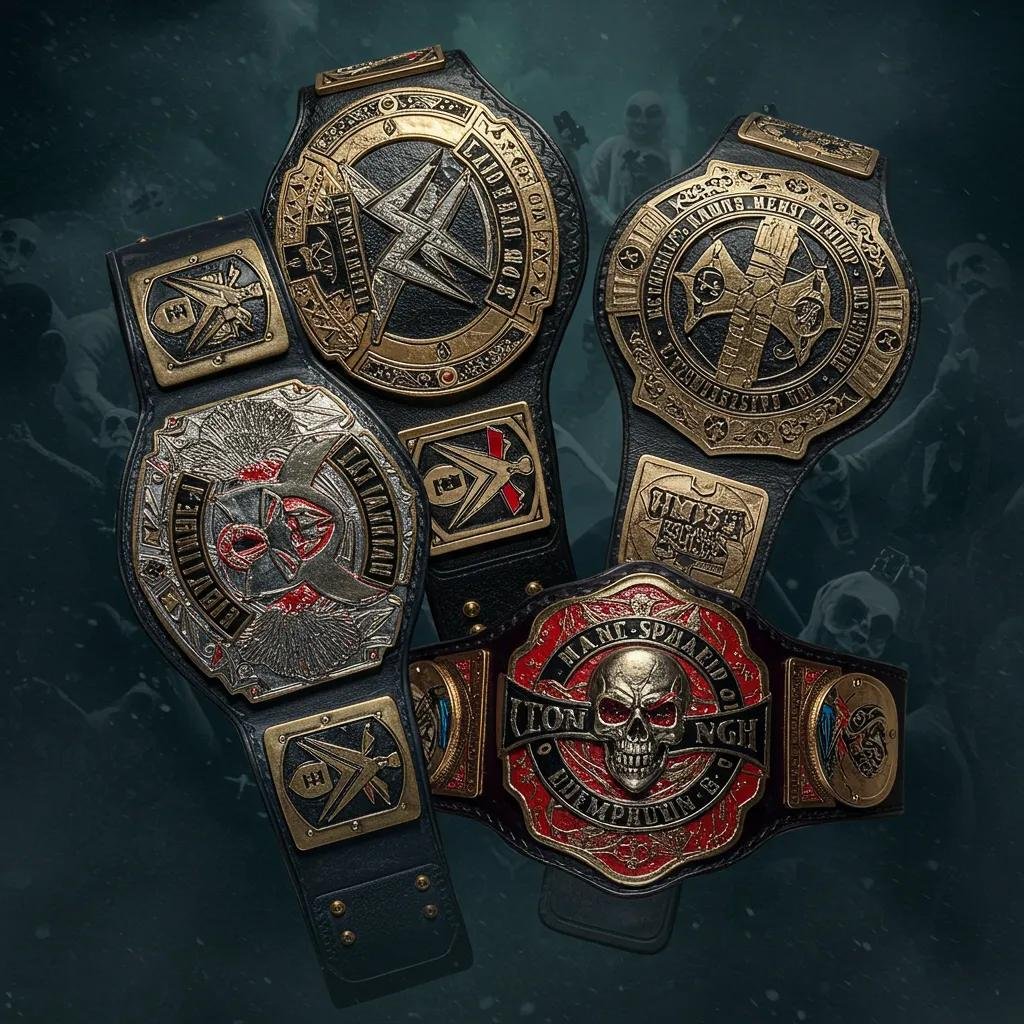
A haunted championship is a title whose lineage, defenses, or presentation became closely tied to a spooky persona or story, which transforms the belt into a narrative object and heightens stakes for challengers. The mechanism by which a belt becomes haunted involves repeated presentation in themed segments, defenses in stipulation matches, and legendary moments that fans recount; the result is a championship that carries symbolic weight beyond its competitive value. This section lists belts with strong spooky associations and explains the origin stories that created those associations, followed by a concise EAV reference table linking belts to the wrestlers or segments that built their lore. Understanding haunted belts clarifies how championships function as props in long-form horror storytelling within wrestling.
Which championship belts are known for spooky associations? The following list summarizes well-known belts that accrued eerie reputations through performer association and dramatic segments.
- WWE Championship-style belts and world titles that were central to deadman or demonic runs and thus received theatrical presentation in vignettes.
- Regional or promotion-specific heavyweight belts that were defended or showcased in casket or inferno matches and consequently linked to horror match types.
- Tag and singles belts that became narrative trophies in storyline arcs about resurrection, corruption, or supernatural dominance.
These belts became haunted because promoters repeatedly tied them to a sustained horror narrative, whether via entrances, vignettes, or match stipulations. The list above prepares readers for a quick-reference table below that maps belts to specific legends and hallmark moments.
| Championship Belt | Associated Legend(s) | Story / Notable Match |
|---|---|---|
| World Heavyweight-type title | The Undertaker | Frequent cinematic entrances and title defenses in thematic matches created aura around his championship runs |
| Promotion Heavyweight Championship | Kane | Pyro-driven appearances and storyline of fraternal horror linked championship to demonic imagery |
| Regional World/International Belt | Vampiro | Gothic presentation and baroque promos associated title with undead warrior storytelling |
How Do Wrestling Legends Haunt Their Titles?
Wrestling legends haunt titles by presenting belts as extensions of their persona, using them in entrances, vignettes, and themed defenses to convert a physical object into symbolic currency. The mechanism includes carrying a belt into cinematic segments, defending it in casket or inferno matches, and staging long-term kayfabe arcs that suggest a title’s fate is tied to the wrestler’s identity. The value of this strategy is psychological: fans begin to view the belt as cursed, sacred, or otherwise meaningful beyond rankings, which increases investment in outcomes and merchandise associated with that reign. Examples include championship segments where the belt’s presence is integrated into promos or where title lineage is narrated as part of the wrestler’s mythos, reinforcing the haunted impression and generating viral moments.
What Are the Stories Behind the Creepiest Wrestling Belts?
Several belts gained urban-legend status after specific incidents or vignettes that entered fan lore, creating origin stories that persisted in wrestling discourse. The mechanism of legend-building is simple: a memorable promo or match involving props—urns, masks, a casket—becomes shorthand for a title’s dark period and is recirculated by fans and media. The benefit is enduring myth: these vignettes are referenced in anniversary shows, retrospectives, and merch designs, keeping the haunted belt narrative alive. Vignettes often involve resurrection metaphors or symbolic defeats that are replayed at Halloween specials, cementing the belt’s reputation. Recognizing how those segments instill lasting lore explains why promotions sometimes deliberately revive haunted belts for nostalgic draws.
How Have Horror Wrestling Gimmicks Evolved Over Time?
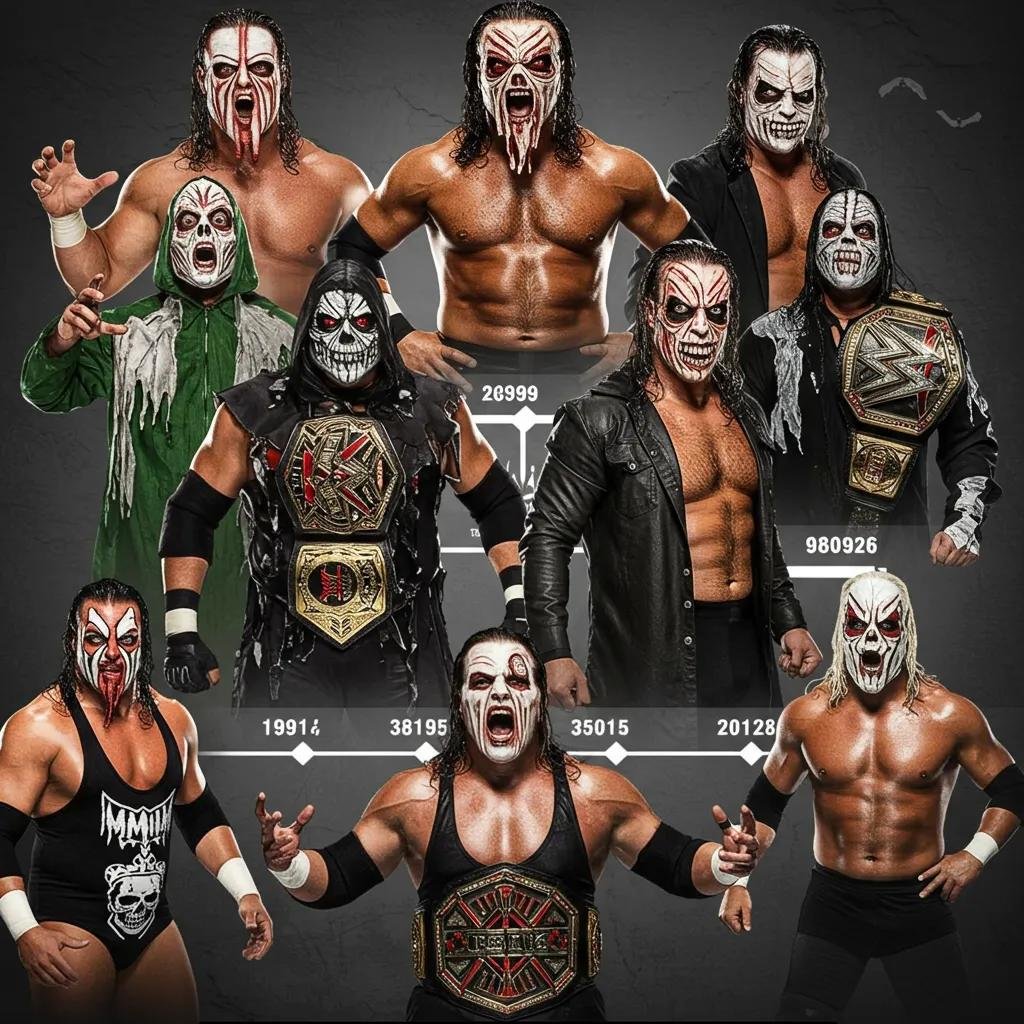
Horror wrestling gimmicks evolved from regional, theatrical characters to production-driven cinematic personas by leveraging advances in broadcast, pyrotechnics, and narrative complexity; the mechanism of evolution is technological and cultural adaptation. Early gimmicks relied on practical props and local theater traditions, while modern incarnations use cinematic vignettes, social media storytelling, and cross-promotion with horror media to deepen immersion. The benefit for promotions is a richer palette for storytelling and the ability to stage large-scale Halloween wrestling matches that generate viewership spikes. This historical perspective clarifies how the same motifs—resurrection, demonic pacts, the undead wrestler—recur but manifest differently as production values and fan expectations change.
What Were the Earliest Examples of Spooky Wrestling Characters?
Early spooky characters appeared in territorial promotions and used simple but effective theatrical tools—face paint, funerary costumes, and ominous music—to evoke fear and mystery for local audiences. The mechanism that made them effective was novelty and localized myth-making: a performer could dominate a region for months with one memorable angle, and word-of-mouth amplified their legend. The benefit was immediate audience reaction and the creation of signature matches that promoters could advertise as unique spectacles. These early templates established hyponyms such as undead wrestlers and supernatural wrestling gimmicks that later performers adapted for national television and pay-per-view events.
How Did Modern Wrestling Incorporate Undead and Creepy Personas?
Modern wrestling incorporated undead personas through higher production values, cinematic entrances, and cross-platform storytelling—using promos, social media, and short films to build atmosphere. The mechanism involves integrating entrance themes, lighting design, and edited vignettes to create a more immersive, horror-adjacent experience than simple ring entrances could deliver. The benefit is narrative depth: fans can follow arcs across multiple media and attend Halloween wrestling matches that feel like mini horror productions. Indie promotions and streaming opportunities further diversified the aesthetics, allowing niche horror wrestling gimmick variants to thrive and eventually influence larger promotions’ creative choices.
Which Wrestling Promotions Popularized Horror Themes?
Certain promotions repeatedly staged horror-themed events and matches, making them synonymous with Halloween wrestling matches and gothic spectacles; the mechanism involves programming special cards and branding a show around seasonal or horror motifs. The benefit for these promotions is differentiation: special events generate ticket sales, themed merchandise, and press coverage. Promotions that leaned into theatrical booking or had flexibility to experiment helped normalize cinematic entrances and stipulation matches, encouraging mainstream companies to adopt similar tactics. This promotional experimentation set the stage for recurring Halloween specials and the broader acceptance of horror aesthetics in wrestling storytelling.
What Makes a Wrestling Legend Truly Spooky?
A wrestling legend becomes truly spooky when appearance, performance, and narrative cohere into a convincing psychological threat that the audience accepts; the mechanism requires consistent visual motifs, compelling promos, and match types that deliver on the implied menace. The benefit is deeper fan engagement and the ability to headline themed events where stakes feel mythic instead of merely competitive. Visual elements like long coats, face paint, and signature props serve as meronyms of the persona, while storytelling uses examples like resurrection or curses to maintain suspense. This combination explains why certain performers are remembered not just for wins but for creating atmosphere around championships and feuds.
How Do Appearance and Costume Enhance Horror Gimmicks?
Appearance and costume function as immediate semantic signals that identify a wrestler’s archetype, and the mechanism works because visual shorthand—masks, coats, urns—primes the audience for specific emotional responses. The benefit of strong visual design is that it translates to merchandise and cosplay, extending the persona beyond the ring and into fan culture. Practical considerations, like mobility and safety, shape costume choices, but the most effective looks balance theatricality with in-ring functionality to preserve credibility. Merchandise derived from iconic costume elements helps perpetuate the persona and reinforces the spooky brand across seasons and events.
What Role Does Storytelling Play in Creepy Wrestling Characters?
Storytelling elevates a creepy character from novelty to legend by creating narrative beats that justify the horror tropes—vignettes, long-term kayfabe, and symbolic payoffs; the mechanism is serialized narrative that rewards audience investment. The benefit is sustained interest: fans follow arcs that culminate in Halloween-themed matches or dramatic returns, and recurring motifs like urns or chants become part of the cultural lexicon. Promos and vignettes introduce themes of resurrection, vengeance, or eternal championship that make title matches feel like mythic confrontations. Effective storytelling therefore amplifies visual cues into lasting lore that keeps a belt and performer connected in fans’ memories.
How Do Fans React to Spookiest Wrestling Legends?
Fans respond to Spookiest Wrestling Legends with a mix of fear, delight, and participatory fandom—chants, cosplay, and collector behavior create measurable engagement; the mechanism is emotional resonance: when a persona taps into archetypal fears or nostalgia, fans amplify its presence in the culture. The benefit to the promotion is higher attendance for themed events, increased merch sales, and active online communities that perpetuate the myth. Fan reactions often include elaborate costumes at live events, forum debates about the best Spookiest Wrestling Legends entrances, and recurring viewership spikes around Halloween wrestling matches. These behaviors feed back into booking decisions, encouraging promotions to revive or spotlight creepy personas periodically.
Which Wrestling Legends Are Most Associated with Halloween and Horror Events?
Legends associated with Halloween typically return for seasonal specials and headline Halloween wrestling matches because their personas align naturally with the event’s themes; the mechanism is nostalgia and guaranteed spectacle that producers can market. The benefit includes predictable ratings boosts and themed merchandising opportunities timed to the season. Below is a curated list of standout Halloween-themed matches and a short guide to how promotions stage such events for maximum impact.
What Are the Best Halloween-Themed Wrestling Matches?
The best Halloween-themed wrestling matches combine theatrical stipulations, dramatic production, and memorable visual moments that linger in fan memory, and they work by turning a title defense into a narrative milestone. The following curated list highlights standout matches known for spectacle and thematic coherence.
- Casket Showdown: A title match decided inside a casket that leverages the undead wrestler trope and creates a definitive visual payoff. thesmackdownhotel.com
- Inferno Match Classic: A fiery stipulation where ring flames function as a literal boundary, emphasizing danger and pyrotechnic spectacle. wwe.com
- Haunted Entrance Main Event: A high-profile title defense featuring cinematic entrances and eerie vignettes that frame the match as a final reckoning.
Each entry demonstrates how match type, staging, and narrative converge to produce a Halloween spectacle that promotions can market and fans eagerly rewatch. These matches often influence booking in subsequent years, as successful specials become templates for future Halloween events.
How Do Wrestling Promotions Celebrate Horror Wrestling?
Promotions celebrate horror wrestling through themed cards, special match stipulations, limited-run merchandise, and cross-promotional events tied to Halloween; the mechanism is seasonal marketing that leverages nostalgia and spectacle to boost sales. The benefit includes both short-term revenue spikes and long-term brand associations that allow recurring seasonal programming. Typical tactics include renaming events, staging cinematic vignettes, and offering exclusive merch tied to Spookiest Wrestling Legends personas. These practices ensure that Halloween specials feel distinct, encouraging fans to prioritize those events in their annual viewing habits.
Which Creepy Personas Return for Halloween Specials?
Promoters often bring back creepy personas for Halloween because their established imagery and fan recognition guarantee engagement; the mechanism relies on nostalgia and familiarity to drive ratings. The benefit is clear: returning characters create promotional hooks and social-media buzz, and fans attend or tune in expecting a spectacle. Recurring appearances usually emphasize the persona’s signature symbols—entrance music, props, and visual motifs—so the return functions as both homage and event marketing. These returns reinforce the cyclical nature of horror wrestling, keeping genre icons relevant across eras.
How Do Undead Wrestlers Influence Wrestling Storylines and Fan Culture?
Undead wrestlers influence storylines by introducing motifs like resurrection and eternal dominance that bookers can use to create long arcs and thematic payoffs; the mechanism is motif-driven plotting that offers symbolic stakes beyond title changes. The benefit includes richer narrative options and stable archetypes that fans can rally around or oppose, leading to cult followings and merchandising possibilities. Undead characters also shape fan culture by inspiring cosplay, fan art, and online communities dedicated to interpreting kayfabe and myth. This interplay between storyline and fan activity explains why promotions invest in sustained undead arcs and themed championship presentations.
What Are the Common Themes in Undead Wrestling Characters?
Common themes in undead characters include resurrection, vengeance, eternal champion motifs, and the contrast between darkness and light; the mechanism is archetypal resonance that allows audiences to map mythic narratives onto matches. The benefit of using these themes is narrative clarity—a simple motif like resurrection gives bookers a clear arc to build toward. These motifs shape match psychology and stipulation choices, often leading to matches designed to symbolically “lay the character to rest” or to test their dominance. Illustrative examples show how motifs drive both feuds and spectacle.
How Do These Characters Affect Wrestling Merchandise and Branding?
Undead characters create distinct opportunities for merchandise—shirts, masks, replica props, and collectible entrance items—because their visual motifs translate well to consumer products; the mechanism is iconography-to-product mapping. The benefit is predictable revenue streams and brand differentiation, as fans purchase items that signify allegiance to the persona. Successful merchandising strategies highlight signature props and artwork that echo the character’s aesthetic, helping maintain relevance during off-season periods and around Halloween specials. This commercial feedback loop often encourages promoters to extend Spookiest Wrestling Legends arcs for merchandising potential.
Which Undead Wrestlers Have Cult Followings?
Undead wrestlers attract cult followings when mystique, long-term booking, and distinct visuals combine to form a persona that fans celebrate through forums, cosplay, and event rituals; the mechanism is sustained narrative presence that encourages communal participation. The benefit to the performer and promotion is sustained cultural relevance and active fan-driven promotion. Cult followings manifest as dedicated social channels, fan art, and revival campaigns that persuade promoters to revisit characters for anniversary events or Halloween specials. These communities keep spooky legacies alive and influence creative decisions.
What Are the Top 5 Spookiest Wrestling Legends and the Belts They’d Haunt?
A ranked list offers quick-access context for who best embodies horror motifs and which belts would logically become haunted through their tenure; the mechanism of ranking considers gimmick elements, signature props, and title-related storytelling. The benefit is a compact reference that helps fans and creators prioritize which legends and championships to revisit during Halloween-themed programming. Below is the comparative EAV table that summarizes the top five and their direct belt associations for rapid scanning.
| Legend | Gimmick Elements | Belt(s) Linked |
|---|---|---|
| The Undertaker | Deadman persona, urn, slow ominous entrance | World-type championships with cinematic defenses |
| Kane | Pyro, mask/demon imagery, destructive storytelling | Heavyweight titles associated with inferno-style segments |
| Sting | Crow-era face paint, silent vigilante presentation | Promotion-level world titles during dark-era arcs |
| Vampiro | Gothic imagery, baroque promos, undead warrior | Regional heavyweight belts defended in dramatic matches |
| The Boogeyman | Shock props, shock tactics, theatrical disgust | Mid-card titles and segments used to augment horror gags |
#1: The Undertaker – The Phenom and His Deadman’s Championship Haunt
The Undertaker’s deadman persona fused funeral imagery, slow, ritualized entrances, and long-term storytelling to create a unique mechanism of myth-making that elevated titles into haunted emblems. The benefit to the industry was enormous: cinematic segments and storied title reigns yielded memorable pay-per-view moments and a continual cultural touchstone for Halloween wrestling matches. Signature elements—urn symbolism, bell tolls, and darkness-imbued music—function as meronyms that immediately communicate the persona’s threat. Famous title defenses and casket-like stipulations framed the championship as something more than gold; it became an object of fate. That iconic aura is why many fans still associate world titles with his mythic presence.
#2: Kane – The Demon and His Fiery Title Legacy
Kane’s demon-infused presentation leaned on pyro, mask imagery, and destructive in-ring psychology to make championships feel contested in a world of elemental danger, with the mechanism centering on visual spectacle and narrative menace. The benefit was the creation of inferno-style memories and high-impact segments that promoters could market as must-see events. His visual motifs conveyed unstoppable force, and title defenses often emphasized chaos, giving belts a reputation for being fought over in extreme circumstances. This theatrical approach reinforced the idea of a haunted championship through repeated associations with fire, ruin, and kayfabe familial curses.
#3: Sting – The Crow and His Dark Championship Era
Sting’s Crow-era persona used silent menace, face paint, and cinematic presentation to attach a somber, vigilante narrative to his championship runs, operating by the mechanism of mood and sustained mystery. The benefit was a slow-burn prestige: matches during his dark era felt like moral reckonings tied to symbolic title stakes. His aesthetic—black trench coats, monochrome face paint—functioned as instantly recognizable meronyms that translated into strong merchandising and evocative match build. Those title periods persisted in fan memory as instances where championships served as moral or narrative pivots rather than straightforward competitive accolades.
#4: Vampiro – The Undead Warrior and His Haunted Belts
Vampiro’s gothic, sometimes baroque persona relied on theatrical promos and an undead warrior aesthetic to link regional and heavyweight belts to an aura of uncanny authority; the mechanism was theatrical immersion in gothic motifs. The benefit included cultivating niche but passionate followings and infusing lesser-known belts with mythic significance through memorable segments. Props, intense promos, and stylistic matches made his title runs feel like ritualized contests, enabling fans to treat certain belts as haunted relics associated with his presence. This dynamic influenced indie promotions to replicate his atmospheric booking.
#5: The Boogeyman – The Creepy Character and His Scary Title Runs
The Boogeyman used shock elements—worms, outrageous props, and jump-scare tactics—to make his title-related segments memorable and unsettling, employing a mechanism rooted in novelty and visceral reaction. The benefit for programming was immediate audience attention and shareable moments, which translated into seasonal value around Halloween. His shock-gimmick mechanics were deliberately transgressive, converting mid-card championships and segments into short-term haunted spectacles that audiences talked about long after the match. Those memorable spots underscore how even novelty horror gimmicks can briefly convert a belt into a haunted object in the eyes of fans.
This article has mapped the components of horror wrestling gimmicks, traced evolution and promotion tactics, and provided ranked references and EAV tables to help fans or producers identify which wrestling belts and performers best embody Spookiest Wrestling Legends.
Frequently Asked Questions
What are some notable Halloween-themed wrestling events?
Halloween-themed wrestling events often feature unique match stipulations, such as casket matches and inferno matches, designed to enhance the Spookiest Wrestling Legends atmosphere. Promotions like WWE have historically capitalized on the Halloween season by staging special episodes, such as “Halloween Havoc,” which showcase eerie entrances, themed merchandise, and dramatic storylines. These events not only attract fans looking for seasonal entertainment but also create memorable moments that resonate with audiences long after the event concludes, making them a staple in wrestling culture.
How do wrestling promotions market Spookiest Wrestling Legends characters?
Wrestling promotions market spooky characters by leveraging their unique visual aesthetics and storylines to create compelling narratives that resonate with fans. This includes using themed merchandise, promotional vignettes, and social media campaigns that highlight the character’s eerie traits. Seasonal events, particularly around Halloween, are prime opportunities for promotions to capitalize on nostalgia and fan engagement, often featuring these characters in main event matches or special segments that emphasize their supernatural elements, thus enhancing their marketability and cultural relevance.
What impact do Spookiest Wrestling Legends have on fan culture?
Spookiest Wrestling Legends significantly influence fan culture by inspiring cosplay, fan art, and online discussions that celebrate their unique personas. These characters often evoke strong emotional responses, leading to dedicated fan communities that engage in rituals such as themed viewing parties and social media interactions. The nostalgia associated with these legends fosters a sense of belonging among fans, encouraging them to share their experiences and interpretations, which in turn keeps the legacy of these Spookiest Wrestling Legends personas alive across generations.
How do horror gimmicks enhance storytelling in wrestling?
Horror gimmicks enhance storytelling in wrestling by introducing dramatic themes and archetypes that resonate with audiences on a psychological level. These characters often embody concepts like resurrection, vengeance, and the supernatural, allowing for rich narrative arcs that go beyond simple competition. The use of visual elements, such as costumes and props, combined with compelling promos, creates a multi-layered storytelling experience that captivates fans and elevates matches to mythic confrontations, making the outcomes feel significant and emotionally charged.
What are some examples of merchandise tied to spooky wrestling characters?
Merchandise tied to Spookiest Wrestling Legends characters often includes items that reflect their unique aesthetics and personas, such as masks, action figures, t-shirts, and replica props like urns or caskets. These products not only serve as collectibles but also allow fans to express their allegiance to their favorite characters. Seasonal items, particularly around Halloween, often feature limited-edition designs that capitalize on the character’s spooky themes, creating a sense of urgency and exclusivity that drives sales and enhances fan engagement.
How do wrestling fans celebrate Halloween through wrestling?
Wrestling fans celebrate Halloween through various activities that incorporate their love for the sport and its Spookiest Wrestling Legends characters. This includes attending Halloween-themed wrestling events, dressing up as their favorite wrestlers for parties or conventions, and hosting viewing parties for special Halloween episodes. Fans often engage in discussions about their favorite horror-themed matches and characters on social media, sharing costumes and fan art that reflect their passion. These celebrations create a vibrant community atmosphere that blends the excitement of wrestling with the festive spirit of Halloween.
What role do social media and online communities play in the legacy of Spookiest Wrestling Legends?
Social media and online communities play a crucial role in preserving and promoting the legacy of Spookiest Wrestling Legends by providing platforms for fans to share their thoughts, artwork, and experiences. These digital spaces allow for discussions about iconic matches, character developments, and merchandise, fostering a sense of community among fans. Additionally, promotions often use social media to engage with audiences, share nostalgic content, and announce special events featuring these characters, ensuring that their legacies remain relevant and celebrated in contemporary wrestling culture.
Conclusion
Understanding the interplay between spooky wrestling legends and their haunted belts enriches the fan experience, revealing how narrative and performance create lasting cultural impact. By exploring iconic characters and their eerie associations, readers gain insights into the evolution of horror in wrestling and its significance in storytelling. Dive deeper into the world of wrestling by checking out our curated lists and references for Halloween-themed matches and characters. Join the conversation and celebrate the legends that haunt the ring today!
Share Now:
Recent Posts
Daniel Bryan Net Worth, Wife, Career & Biography
March 5, 2026
8:29 am
Custom Championship Belts – Design, Price & How to Buy
March 4, 2026
11:09 am
Hulk Hogan Net Worth 2026: Career Earnings & Assets
March 3, 2026
8:27 am
WWE IC Championship Belt: Top Twenty Champions & History
February 24, 2026
7:12 pm
Economy Championship Belts
February 10, 2026
5:50 am
